Securing Justice.Serving the Public.
AUTHOR · GOVERNANCE & GLOBAL AFFAIRS STRATEGIST · PUBLIC VOICE
Law · Public Policy · Political Strategy · International Relations & Trade
TTransparentRResilientPProficient
Transparent · Resilient · Proficient: the principles behind this work.
Advancing Accountability. Building Bonds. Forging Futures.
01 / Profile
About Dr. Gautam Ghosh
Governance & Global Affairs Strategist | Author | Legal Professional | Public Voice
Dr. Gautam Ghosh is a governance and global affairs strategist and author whose extensive professional engagement reflects a distinctive blend of intellectual inquiry, political acumen, strategic foresight and practical experience. Working across law, politics, public policy and international relations, he brings analytical depth and geopolitical insight to complex questions of democratic leadership, institutional transformation and strategic decision-making. His approach connects ideas with action, national priorities with global realities and political vision with opportunities for meaningful advancement.
As CEO of Upper Chambers International Law Firm and General Secretary of the India–Canada Consortium, Dr. Ghosh brings together legal practice, public affairs, international trade and cross-border strategic investment facilitation. His pursuits encompass public diplomacy, diaspora engagement and institutional partnerships, particularly concerning India–Canada relations, North America and wider international opportunities. His emphasis on constructive alliances and strategic relationships seeks to bridge policymakers, businesses and community leadership networks, translating shared interests into lasting economic and institutional cooperation.
Central to his professional philosophy is the conviction that democratic legitimacy derives from the sovereignty of the people, the protection of fundamental rights and the accountability of those entrusted with public authority. His work focuses on strengthening institutional capacity, advancing administrative responsibility and upholding constitutional principles through policy engagement, organisational design and systemic reform. His wider interests extend to comparative governance, policing accountability, human rights, education and public administration, with particular emphasis on effective, transparent and responsive democratic institutions.
Dr. Ghosh's journey in public life began in the late 1980s through humanitarian and social-service initiatives, including interactions with Mother Teresa in Kolkata. These formative experiences shaped his enduring commitment to human dignity, ethical responsibility and civic service. His entry into active politics in the late 1990s broadened his involvement in political strategy, democratic processes, policy deliberations and public affairs.
His engagement in international political affairs encompasses strategic analysis, electoral observation, political strategy formulation and high-level policy deliberations across diverse national and geopolitical settings. He participated in the observer mission of the SAARC Human Rights Foundation during Bangladesh's December 2018 general election, and his role has also been reported by international media. Published commentary has also highlighted his geopolitical assessments, electoral forecasts and perspectives on emerging international trends.
An established author and researcher, Dr. Ghosh's scholarly contributions examine police legitimacy, democratic oversight, administrative accountability and public trust. His book Police Accountability at the Cutting Edge Level is recorded in library catalogues internationally. Selected catalogue records are linked in the Expression section.
Born into an academic and public-service family in West Bengal, Dr. Ghosh is the son of the late Dr. Ramesh Ghosh and Dr. Bela Ghosh. His upbringing cultivated a lasting appreciation for intellectual excellence, merit-based systems, institutional ethics, administrative discipline and responsible public leadership.
His academic qualifications include Bachelor of Commerce (Honours), Bachelor of Laws (LLB), Master of Business Administration (MBA), Master of Arts in Public Administration (MA) and Doctor of Philosophy (PhD). His professional pursuits have also encompassed legal and management education, police research and specialised training, enriching his interdisciplinary outlook.
Bringing together legal scholarship, political judgement, geopolitical awareness and an understanding of institutional dynamics, Dr. Ghosh approaches public affairs with an emphasis on strategic clarity, principled leadership and effective execution. His perspective recognises the importance of political foresight, constructive negotiation and purposeful alliances in addressing contemporary challenges while safeguarding constitutional values and the public interest.
His overarching vision is to strengthen democratic institutions, advance accountable governance and foster meaningful international cooperation—connecting law, policy, people and opportunities across borders in pursuit of democratic progress, institutional excellence and sustainable development.
Governance & Global Affairs Strategist · Author · Legal Professional · Public Voice & TradeCounsel, institutions and the public interest
Legal Practice
Applying law to questions of rights, responsibility and institutional trust.Books, essays and policy argument
Published Thought
Developing evidence-led perspectives on policing, democracy and governance.Political engagement and democratic participation
Public Affairs
Bringing direct experience of public life to policy dialogue and institutional reform.International Relations & Cooperation
International Cooperation
Building purposeful relationships among governments, civic institutions and enterprise.Intellectual Foundations
Scholarship Across Generations. Service Through Institutions.
Dr. Gautam Ghosh’s public outlook was shaped by a family tradition in political scholarship, academic leadership and institutional service.
Dr. Ramesh Chandra Ghosh (R. C. Ghosh)
A political scientist and constitutional scholar, Dr. Ramesh Chandra Ghosh wrote on comparative government, federalism and treaty law. His books include Constitutional Documents of the Major Islamic States (1947), The Government of the Swiss Republic (1953) and Treaties and Federal Constitutions: Their Mutual Impact (1961).
Read the full profile
The official history of the Department of Political Science at Presidency University identifies Ramesh Chandra Ghosh among the eminent figures associated with the Department and its intellectual tradition. Yet the importance of Presidency College in his life should not be allowed to obscure the international character of his scholarship. Presidency College was one of the homes of his intellectual life; the wider world of comparative political, constitutional and international thought was its true horizon.
The early record already displays the breadth that would characterise his career. In 1939, Ramesh Chandra Ghosh, identified as M.A., B.L., Lecturer in Economics, published “Renaissance and Reformation in India” in the Proceedings of the Indian History Congress, Vol. 3, pp. 1565–1566. The paper demonstrates that his intellectual interests were never restricted to institutional mechanics. History, political ideas, social transformation and constitutional development formed part of a single field of inquiry.
By 1941, that intellectual horizon had expanded decisively into comparative constitutionalism. Ghosh published Constitutional Developments in the Islamic World, Lahore: Shaikh Muhammad Ashraf. Six years later came his more ambitious documentary enterprise, Constitutional Documents of the Major Islamic States, Lahore: M. Ashraf, 1947. The work placed Ghosh in the company of scholars attempting to assemble and interpret constitutional materials across the Islamic world at a moment of enormous political transformation.
The subsequent institutional record confirms that the 1947 book did not disappear into the past. It remains recorded in the Bangladesh National Parliament Library, which identifies the Lahore, M. Ashraf, 1947 edition, and it is also recorded in the State Bank of Pakistan Library. Its continuing presence in institutional collections in Bangladesh and Pakistan is particularly relevant to understanding the regional reach of Ghosh's scholarship. The constitutional histories of these countries were themselves products of the great transformations of the Islamic and South Asian political world that Ghosh had sought to document.
The work subsequently entered the wider international literature on historical constitutional sources. John Trone's “Print Sources for Historical Constitutions,” published in the International Journal of Legal Information, specifically identifies Ghosh's 1947 volume among printed sources for historical constitutions. Trone's work is important because it is itself a guide to the documentary sources used by scholars researching historical constitutional systems. Ghosh's book had therefore become part of the research infrastructure of comparative constitutional scholarship.
The international reach of the 1947 book becomes even more compelling in the documentary record of the United Nations. One UN document expressly identifies the source as “Constitutional Documents of the Major Islamic States, Prof. Ramesh Chandra Ghosh, Muhammed Ashraf, Lahore (Pakistan), page 82,” in connection with the 1936 Anglo-Egyptian Treaty. This is not a generic bibliographical listing: the UN document directs the reader to a specific page of Ghosh's work.
A second United Nations document provides an equally important page-specific reference. In connection with the 1899 Anglo-Egyptian Agreement concerning Sudan, the source is expressly given as “Constitutional Documents of the Major Islamic States, Prof. Ramesh Chandra Ghosh, Muhammed Ashraf, Lahore (Pakistan), page 120.” The two references, taken together, establish that Ghosh's book was being used by the United Nations as a documentary source for important historical international arrangements.
This is one of the strongest pieces of evidence for the international stature of his scholarship. A work published in Lahore in 1947 by an Indian scholar had subsequently entered the documentary record of the United Nations, with the organisation directing attention to specific pages of the book. Ghosh's scholarship had therefore moved beyond the academic world into the evidentiary apparatus of an international institution.
Ghosh's interest in federalism and comparative government ultimately found one of its fullest expressions in Treaties and Federal Constitutions: Their Mutual Impact, published in Calcutta by The World Press in 1961, a substantial work of 342 pages. The book brought together subjects that were rarely treated as a single field: federal government, constitutional authority, treaty-making and international law.
Its contemporary reception was significant. T. S. Rama Rao reviewed the book in India Quarterly, Vol. 19, No. 2, 1963, pp. 160–161.
The subsequent international-law citation trail is even more revealing. In 1970, Okon Udokang published “Succession to Treaties in New States” in the Canadian Yearbook of International Law, Vol. 8, pp. 123–156. In Footnote 10, Udokang directly cites R. C. Ghosh, Treaties and Federal Constitutions: Their Mutual Impact, pp. 16–21. Another reference again directs the reader to Ghosh's discussion at pp. 20–21. This is a direct, page-specific scholarly citation in a specialist international-law journal.
The significance of Udokang's citation is considerable. Ghosh was not merely appearing in a bibliography; his analysis was being used in a substantive discussion of succession to treaties in newly independent states. The conceptual relationship between federal constitutional structures and international obligations that Ghosh had explored in 1961 was thus being drawn upon by international-law scholarship less than a decade later.
The citation trail continued. Later commentary on the Vienna Convention on the Law of Treaties cites “Ghosh (1961), p. 81” in its discussion of the international legal position of constituent units of federal states and includes Ghosh's book among its authorities. This later citation is particularly significant because it demonstrates that Ghosh's work continued to be relevant to international-law analysis of the relationship between federal constitutional arrangements and international agreements.
A further line of scholarship carries the citation to p. 84. Ivan Bernier's International Legal Aspects of Federalism, London: Longman, 1973, is associated in later scholarship with Ghosh's discussion of the treaty-making position of constituent units of federations. Later work on subnational foreign economic relations in Nigeria reproduces the citation chain and identifies Ghosh (1961), p. 84, through Bernier. The importance here lies in the transmission of Ghosh's analysis through subsequent generations of international-law scholarship.
The same continuing visibility appears in Ryan Morrow's “Treaties and the Federal Balance in an Era of Globalization,” which cites Ghosh's 1961 work at p. 292 and includes it in its bibliography. This source should properly be regarded as corroborative rather than authoritative—the article itself identifies its student-paper character—but it nevertheless provides evidence that Ghosh's book continued to be consulted in later discussions of the federal balance and treaty-making.
The evolution of Ghosh's scholarship is equally visible in his articles on Indian constitutional government. JSTOR directly records his “The Powers of the President & the Cabinet System,” The Indian Journal of Political Science, Vol. 13, Nos. 3/4, 1952, pp. 1–16. The same volume contains his “Parliamentary Privilege, Civil Liberty and Homi Dinshaw Mistri's Case,” pp. 38–56. These works demonstrate his engagement with some of the most fundamental constitutional questions of the early Republic: executive authority, cabinet government, parliamentary privilege and civil liberty.
In 1953, he published “Constitutional Decisions of the Supreme Court of India,” The Indian Journal of Political Science, Vol. 14, No. 2, pp. 98–112. These publications establish that Ghosh's scholarship operated at the intersection of political science and constitutional law. He was studying not merely constitutional texts but the actual operation of constitutional institutions and judicial authority.
The international-law significance of Ghosh's Treaties and Federal Constitutions: Their Mutual Impact becomes particularly striking when read against the later codification history of the law of treaties. The modern Vienna Convention on the Law of Treaties: A Commentary records that the 1935 Harvard Research in International Law Draft Convention on the Law of Treaties helped clarify many aspects of treaty law and that its definitions and rules became important points of reference for later discussions, including those of the International Law Commission. In the same Commentary, Ghosh's 1961 treatise is expressly cited at p. 81 in the discussion of treaty-making capacity in federal States. Thus, Ghosh's work belongs within the continuing scholarly genealogy through which treaty law developed from the Harvard codification project, through the work of the International Law Commission, to the 1969 Vienna Convention.
He taught and supervised a large body of research scholars, and a memorial volume was published in his honour in 1986.
The entire documentary record therefore reveals a remarkable trajectory. In 1939, Ghosh was publishing on India's Renaissance and Reformation. In 1941, he was examining constitutional development in the Islamic world. In 1947, he produced his major documentary compilation of Islamic constitutional materials. That work entered institutional collections in Bangladesh and Pakistan, was identified in the international literature on historical constitutions, and was subsequently cited by the United Nations at pages 82 and 120. In 1952–53, he wrote on presidential power, cabinet government, parliamentary privilege, civil liberty and Supreme Court constitutional decisions. In 1953, he produced a major comparative study of Swiss government, subsequently reviewed in the American Political Science Review. In 1961, he produced his major study of treaties and federal constitutions, which was reviewed in India and Malaysia and subsequently entered international-law scholarship through page-specific citations extending from pp. 16–21 to pp. 81 and 84.
The international dimensions of his work are therefore not a matter of rhetorical inference. They are documented through a chain of books, contemporary reviews, United Nations citations, international-law articles, later comparative scholarship, institutional catalogues and memorial scholarship.
His 1947 book provides perhaps the clearest illustration. It was published in Lahore; catalogued in Bangladesh and Pakistan; identified by Trone as a source for historical constitutions; cited by the United Nations at p. 82 in connection with the 1936 Anglo-Egyptian Treaty and at p. 120 in connection with the 1899 Anglo-Egyptian Agreement concerning Sudan; and subsequently situated within a wider literature on Islamic constitutional development. Few biographical claims could demonstrate international scholarly reach more concretely.
His 1961 book provides the second great illustration. Contemporary reviewers recognised it in 1963; Udokang directly cited pp. 16–21 in the Canadian Yearbook of International Law in 1970; later Vienna Convention commentary cited p. 81; later federalism and international-law scholarship cited p. 84; and subsequent work continued to return to the book in discussions of the federal balance. This is not merely a record of publication. It is a record of intellectual transmission.
It is therefore difficult to place R. C. Ghosh within any narrow academic category. He was a political scientist, but his work constantly crossed into constitutional law. He was a constitutional scholar, but his work moved into international law. He studied India, but also Switzerland, Iran, the Islamic constitutional world and federal treaty-making. He wrote for Indian journals, but his work was reviewed and cited in international scholarly literature and used in United Nations documentation.
That is why the description “a moving encyclopaedia of Political Science” is so apt. It captures not simply the quantity of his knowledge but the extraordinary range through which that knowledge moved.
R. C. Ghosh was not merely a scholar who wrote about Political Science. He was a scholar who seemed to carry Political Science within him.
And the documentary record—from Presidency College to the United Nations, from Lahore to Switzerland, from the American Political Science Review to the Canadian Yearbook of International Law, and from the constitutional literature of South Asia to later international-law scholarship—shows why his intellectual achievement deserves to be understood not as a local academic accomplishment but as part of a much wider history of comparative political and constitutional thought.
The scholarly achievement of Dr. Ramesh Chandra Ghosh cannot be fathomed by a single write-up. What can be demonstrated, however, is that his intellectual horizon was vast, his comparative scholarship unusually ambitious, his documentary contributions enduring, and his influence recorded in institutional catalogues, international records, later scholarship and a 1986 memorial volume.
Presidency College was one of the homes of his scholarship; the world of comparative political, constitutional and international thought was its true intellectual horizon.
References
- Presidency University, Department of Political Science, “History of the Department,” official institutional history identifying Ramesh Chandra Ghosh among eminent figures associated with the Department.
- Ramesh Chandra Ghosh, “Renaissance and Reformation in India,” Proceedings of the Indian History Congress, Vol. 3, 1939, pp. 1565–1566.
- University of North Bengal Institutional Repository, Renaissance and Reformation in India, identifying Ramesh Chandra Ghosh, M.A., B.L., Lecturer in Economics, Presidency College.
- Ramesh Chandra Ghosh, Constitutional Developments in the Islamic World, Lahore: Shaikh Muhammad Ashraf, 1941.
- Ramesh Chandra Ghosh, Constitutional Documents of the Major Islamic States, Lahore: M. Ashraf, 1947.
- Bangladesh National Parliament Library, catalogue record for Ghosh's Constitutional Documents of the Major Islamic States, Lahore: M. Ashraf, 1947.
- State Bank of Pakistan Library, catalogue record for Ghosh's Constitutional Documents of the Major Islamic States.
- John Trone, “Print Sources for Historical Constitutions,” International Journal of Legal Information, Vol. 34, Issue 3, Winter 2006, pp. 539–555.
- United Nations, document expressly citing “Constitutional Documents of the Major Islamic States, Prof. Ramesh Chandra Ghosh, Muhammed Ashraf, Lahore (Pakistan), page 82,” in connection with the 1936 Anglo-Egyptian Treaty.
- United Nations, document expressly citing “Constitutional Documents of the Major Islamic States, Prof. Ramesh Chandra Ghosh, Muhammed Ashraf, Lahore (Pakistan), page 120,” in connection with the 1899 Anglo-Egyptian Agreement concerning Sudan.
- Ramesh Chandra Ghosh, The Government of the Swiss Republic, Calcutta: The World Press Ltd., 1953, ix + 192 pp.
- “The Government of the Swiss Republic. By Ramesh Chandra Ghosh,” American Political Science Review, Vol. 48, No. 2, June 1954, pp. 578–579.
- Ramesh Chandra Ghosh, Treaties and Federal Constitutions: Their Mutual Impact, Calcutta: The World Press, 1961, 342 pp., bibliography pp. 309–322.
- T. S. Rama Rao, review of R. C. Ghosh, Treaties and Federal Constitutions: Their Mutual Impact, India Quarterly, Vol. 19, No. 2, 1963, pp. 160–161.
- Okon Udokang, “Succession to Treaties in New States,” Canadian Yearbook of International Law, Vol. 8, 1970, pp. 123–156; especially Footnote 10, citing Ghosh, pp. 16–21, and subsequent reference to pp. 20–21.
- Ivan Bernier, International Legal Aspects of Federalism, London: Longman, 1973, associated in later scholarship with Ghosh's discussion at p. 84.
- Later international-law scholarship on subnational foreign economic relations, citing Ghosh (1961), p. 84, through Bernier (1973), p. 14.
- Ryan Morrow, “Treaties and the Federal Balance in an Era of Globalization,” 2011, citing Ghosh's 1961 work at p. 292; retained as corroborative later scholarship.
- Ramesh Chandra Ghosh, “The Powers of the President & the Cabinet System,” The Indian Journal of Political Science, Vol. 13, Nos. 3/4, 1952, pp. 1–16. JSTOR stable 42743395.
- Ramesh Chandra Ghosh, “Parliamentary Privilege, Civil Liberty and Homi Dinshaw Mistri's Case,” The Indian Journal of Political Science, Vol. 13, Nos. 3/4, 1952, pp. 38–56.
- Ramesh Chandra Ghosh, “Constitutional Decisions of the Supreme Court of India,” The Indian Journal of Political Science, Vol. 14, No. 2, 1953, pp. 98–112.
- Amal Kumar Mukhopadhyay (ed.), The Political Miscellany: Essays in Memory of Professor Ramesh Chandra Ghosh, Calcutta: K. P. Bagchi & Co., 1986, x + 288 pp.
- Sudipta Kaviraj, “The Self-Falsifying Prophecy,” in Amal Kumar Mukhopadhyay (ed.), The Political Miscellany, pp. 15–22.
- Harvard-associated catalogue/work-record evidence for Ramesh Chandra Ghosh's Treaties and Federal Constitutions: Their Mutual Impact.
- Sudipta Kaviraj, publication record confirming “The Self-Falsifying Prophecy” in The Political Miscellany, pp. 15–22.
- CiNii bibliographical record for Amal Kumar Mukhopadhyay (ed.), The Political Miscellany: Essays in Memory of Professor Ramesh Chandra Ghosh, confirming the 1986 publication, editor, publisher and pagination.
Dr. Bela Ghosh
Scholar • Educator • Public Servant • Humanitarian
Dr. Bela Ghosh earned an M.Sc. in Economics from the London School of Economics (1959), headed the Department of Political Science at Lady Brabourne College, and served as Chairperson of the West Bengal Public Service Commission. She supported education and welfare for disadvantaged children, a commitment continued through the Dr. B. G. Memorial Trust.
Read the full profile
Her academic credentials were exceptional. On 9 July 1959, she was awarded the M.Sc. in Economics by the University of London through the London School of Economics and Political Science. Her education at LSE provided a rigorous intellectual foundation for a career that subsequently encompassed teaching, academic administration, public service and social welfare.
A scholar and teacher
Dr. Ghosh subsequently established herself in higher education in Bengal and served as Head of the Department of Political Science at Lady Brabourne College, Calcutta. Her academic career coincided with an important period in the development of women's higher education in Bengal. Lady Brabourne College introduced Political Science at the Pass and Honours levels in 1960, marking an important stage in the development of the discipline within the institution. Her leadership of the department therefore placed her within a formative period in the intellectual life of one of Bengal's significant institutions of women's higher education.
From political science to public administration
Her professional career later extended into senior constitutional public service. Dr. Bela Ghosh served as Chairperson of the West Bengal Public Service Commission. Most importantly, the West Bengal Public Service Commission's own official record identifies Dr. Bela Ghosh as a former Chairperson of the Commission. This institutional record constitutes the primary authority for this important phase of her career. Her transition from academic leadership to the leadership of a constitutional public institution represented a significant extension of her professional responsibilities and public service.
Yet Dr. Bela Ghosh's life cannot be fully understood through academic distinction and public office alone. Education and service to the poor and disadvantaged were enduring principles of her life. Her humanitarian outlook extended beyond formal institutional responsibilities towards people and communities who had limited access to educational and social opportunities. Biographical material associates her with the Missionaries of Charity and the humanitarian work of Mother Teresa, including efforts directed towards the education and welfare of poor and disadvantaged children.
Her philanthropic commitment was particularly significant in the field of education for marginalised and economically disadvantaged sections of society. She supported the development of educational opportunities for children who, because of poverty and social circumstances, might otherwise have remained excluded from quality education. Her concern for the downtrodden was therefore not simply charitable in the narrow sense; it was connected to a broader conviction that education could provide dignity, opportunity and a pathway towards a better life.
This philosophy found an institutional continuation through the Dr. B. G. Memorial Trust, established in her memory. The Trust has been associated with educational and philanthropic activities, including the provision of educational opportunities through schools. Independent documentary evidence concerning the Trust records its charitable objects as including relief of the poor, education, medical relief and other objects of general public utility, and records the Trust's operation of St. Peter's School in Kolkata. The Trust consequently provides a tangible institutional expression of the educational and philanthropic values associated with Dr. Bela Ghosh.
The significance of this work lies in the continuity between her professional and humanitarian commitments. As an educator, she worked within institutions of higher learning; as a philanthropist, she sought to extend the benefits of education to those who had fewer opportunities to obtain it. Education, in her life, was therefore both a profession and a social instrument. Her academic career and her philanthropic engagement reflected a common belief in the capacity of learning to broaden opportunity and strengthen society.
An exceptional intellectual partnership
Dr. Bela Ghosh's professional achievements should also be distinguished clearly from those of her husband, Dr. Ramesh Chandra Ghosh, the distinguished political scientist and scholar. His intellectual contribution is documented in the Indian Journal of Political Science and in the memorial volume The Political Miscellany: Essays in Memory of Professor Ramesh Chandra Ghosh, edited by Professor Amal Kumar Mukhopadhyay and published by K. P. Bagchi & Co. in 1986. The volume brought together scholarly contributions reflecting the intellectual milieu associated with Professor Ghosh, including the political theorist Sudipta Kaviraj, whose contribution, “The Self-Falsifying Prophecy,” is recorded in his bibliography.
That intellectual environment forms part of the history of the Ghosh family, but Dr. Bela Ghosh's own achievements stand independently. Her professional record encompasses an M.Sc. in Economics from the University of London through LSE, academic leadership at Lady Brabourne College, service as Chairperson of the West Bengal Public Service Commission as confirmed by the Commission's own record, and sustained humanitarian and philanthropic engagement in education and social welfare.
Her commitment to education was also deeply expressed within her family. Following the early death of her husband, Dr. Bela Ghosh devoted herself to the upbringing and education of her children, placing exceptional value on learning and seeking to ensure that they received the strongest possible educational foundation and opportunities for intellectual and professional development. Her son, Dr. Gautam Ghosh, subsequently pursued his own academic and professional career.
The educational tradition associated with Dr. Bela Ghosh continued beyond her lifetime through the institutional work carried forward in her memory. The Dr. B. G. Memorial Trust represents one such continuing expression of her commitment to education and social welfare. Its documented charitable objectives and educational activities demonstrate that the values associated with her life have acquired an institutional dimension extending beyond her own professional career.
A woman who crossed institutional boundaries
Dr. Bela Ghosh's life therefore represents a distinctive contribution to the history of Indian women in higher education, academic leadership, constitutional public service and humanitarian work in the decades following Independence. Her journey extended from advanced study at the London School of Economics, through academic leadership in Kolkata, to the chairmanship of the West Bengal Public Service Commission and sustained engagement with education and the welfare of disadvantaged communities.
She moved between India and Britain in her education.
Between political science and administration in her profession.
Between the university and the state in her public career.
And between formal public institutions and humanitarian service in her philanthropy.
Few biographies can be reduced so simply to a single designation.
She was an LSE-trained political scientist.
She was an academic leader at Lady Brabourne College.
She became Chairperson of the West Bengal Public Service Commission.
And she devoted a substantial part of her life to philanthropic and humanitarian work.
Her own place in history
She should consequently be remembered not simply as the wife of a distinguished political scientist, but as a distinguished professional and humanitarian in her own right. Her intellectual accomplishments, academic leadership, public service, commitment to education, concern for the poor and disadvantaged, association with the humanitarian work of Mother Teresa and the Missionaries of Charity, and the educational and philanthropic legacy continued through the Dr. B. G. Memorial Trust together constitute a substantial record of public and social contribution.
Her life demonstrates how education can become public service, and public service can become a lifelong commitment to society.
Dr. Bela Ghosh's life was defined by education in its broadest sense: scholarship as intellectual discipline, education as opportunity, public service as responsibility, and philanthropy as a means of extending opportunity to those who had the least.
Her legacy lies in the convergence of these four dimensions— scholarship, education, public service and humanitarian commitment—and in the continuing educational and charitable work associated with her name.
References
- University of London / London School of Economics and Political Science. Academic record for Bela Ghosh — M.Sc. (Economics), awarded 9 July 1959.
- Lady Brabourne College, Kolkata — Institutional History. Official institutional history recording the introduction of Political Science in 1960, with Pass and Honours courses. The biographical record identifies Dr. Bela Ghosh as having served as Head of the Department of Political Science.
- Mukhopadhyay, Amal Kumar, ed. The Political Miscellany: Essays in Memory of Professor Ramesh Chandra Ghosh. Calcutta: K. P. Bagchi & Co., 1986.
- University of Hyderabad, Indira Gandhi Memorial Library — Catalogue Record. Bibliographic record for The Political Miscellany: Essays in Memory of Professor Ramesh Chandra Ghosh.
- Public Service Commission, West Bengal — Official Record. Official record of the West Bengal Public Service Commission identifying Dr. Bela Ghosh as a former Chairperson of the Commission. This is the primary institutional authority for her service as Chairperson.
- Sudipta Kaviraj — Bibliography. Records his contribution, “The Self-Falsifying Prophecy,” to The Political Miscellany, pp. 15–22.
- Dr. B. G. Memorial Trust v. CIT (Exemption), Kolkata, ITA No. 516/Kol/2017, order dated 15 September 2017. Independent judicial/tax record documenting the charitable objects associated with the Dr. B. G. Memorial Trust, including relief of the poor, education, medical relief and other objects of general public utility, and recording the Trust's operation of St. Peter's School, Kolkata.
Their example helped shape Dr. Gautam Ghosh’s commitment to intellectual rigour, ethical responsibility and accountable institutions.
02 / Vision
Human Dignity
First.
A future shaped by accountable government, dignified citizenship, economic opportunity and constructive international cooperation.
03 / Mission
Defending Rights.
Delivering Justice.
To protect human dignity through law, accountable institutions, public dialogue and principled action.
04 / Expression
Insightful Ideas. Vigilant Voice.
Books, essays and commentary that examine how public power earns legitimacy—and how nations build practical partnerships.

LAW . RIGHTS . TECHNOLOGY
Privacy, Surveillance and the Democratic State
Rethinking the balance between security, technology and individual liberty in a democratic society.
Read the work ↗
INTERNATIONAL AFFAIRS . STRATEGY
India-U.S. Relations in a Changing World
Key opportunities, challenges and policy choices for a stronger and more balanced partnership.
Read the work ↗

ECONOMIC . GOVERNANCE . PUBLIC POLICY
The Shadow Beneath 7.8%
A closer examination of the assumptions, risks and policy choices behind India's growth narrative and what they mean for inclusive and sustainable development.
Read the work ↗
EXPLORE BY THEME
Law & Constitutional Governance
Politics & Democratic Process
Policing & Institutional Reform
Human Dignity, Privacy & Liberty
Economy & Public Policy
India & Global Imperatives
Inclusion, Education & Society
Selected Works
Books & Publications
Exploring policing, accountability, institutional responsibility and public legitimacy through foundational scholarship.
 2007
BOOK 01
Police Accountability at the Cutting Edge Level
This work examines civilian oversight, police–public relations and institutional responsibility, with a focus on accountability in policing.
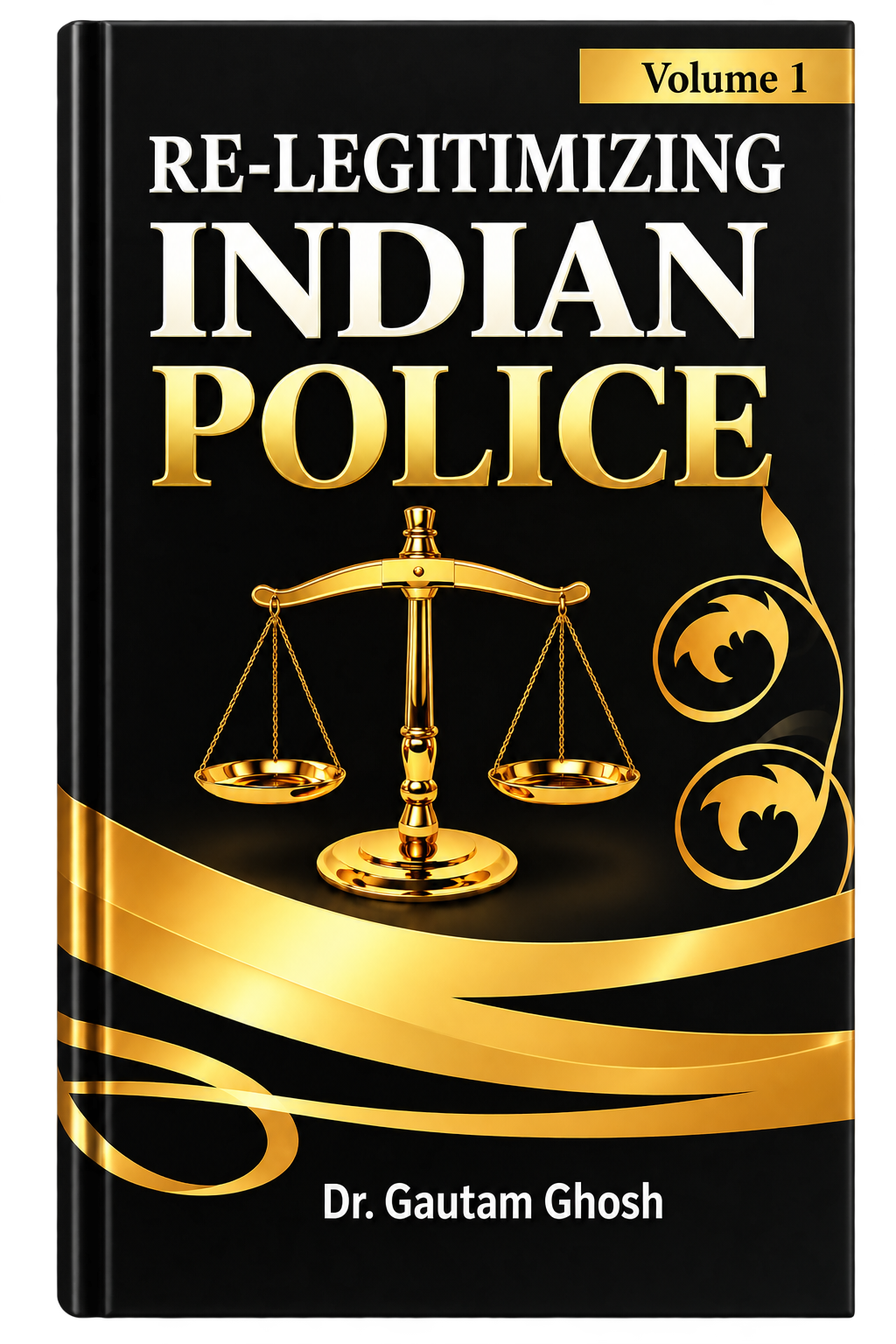 Volume 1
BOOK 02
Re-Legitimising Indian Police
Volume 1 extends the inquiry into policing and public legitimacy, examining institutional responsibility and the relationship between police and society.
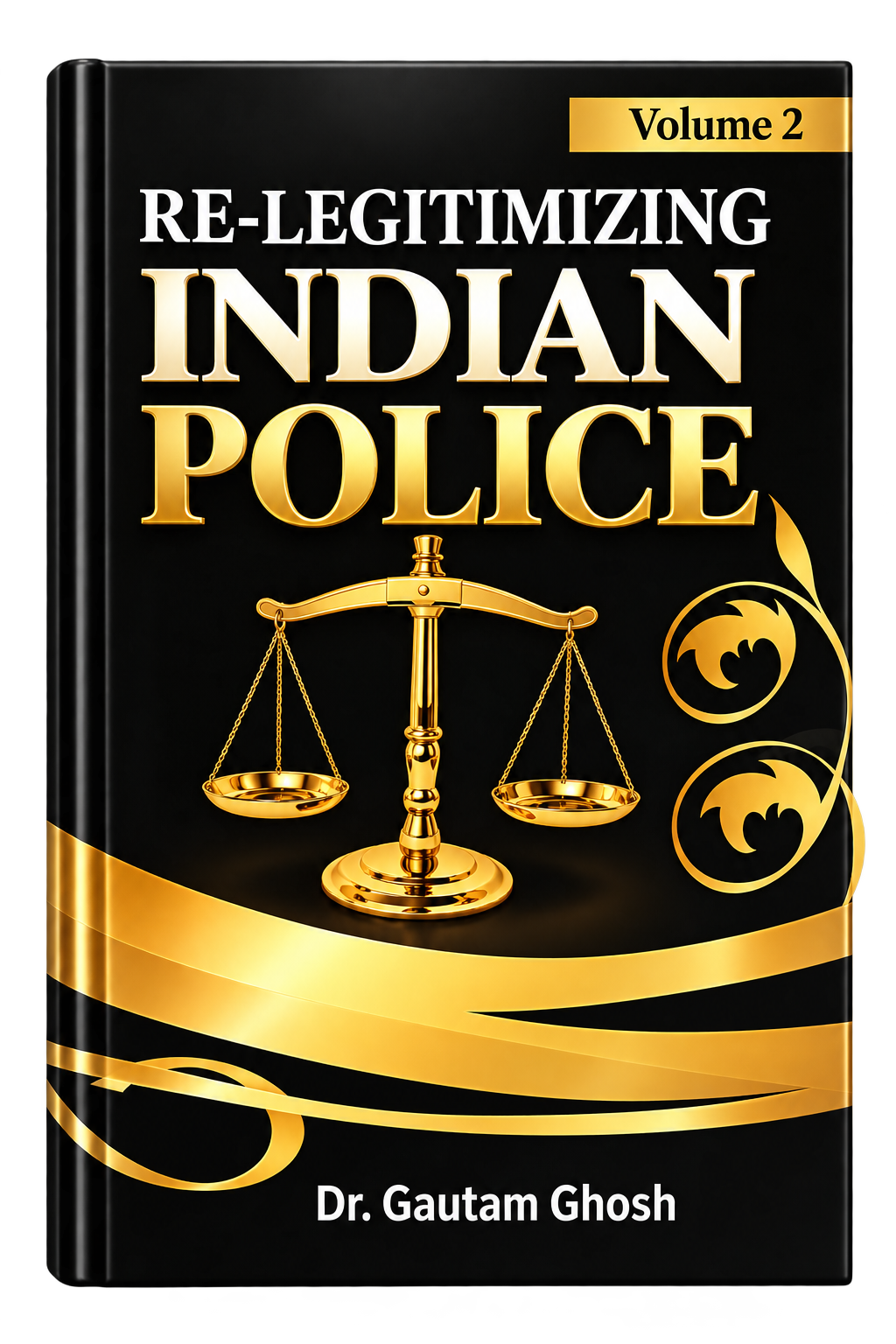 Volume 2
BOOK 03
Re-Legitimising Indian Police
Volume 2 continues the exploration of policing, power, institutional responsibility and the foundations of public legitimacy.
Academic Authority
Published. Preserved. Referenced.
Police Accountability at the Cutting Edge Level appears in university syllabi, library catalogues and published research on policing.
View the full academic record ↗05 / Engagement
Defending Democracy.
Driving Dialogue.
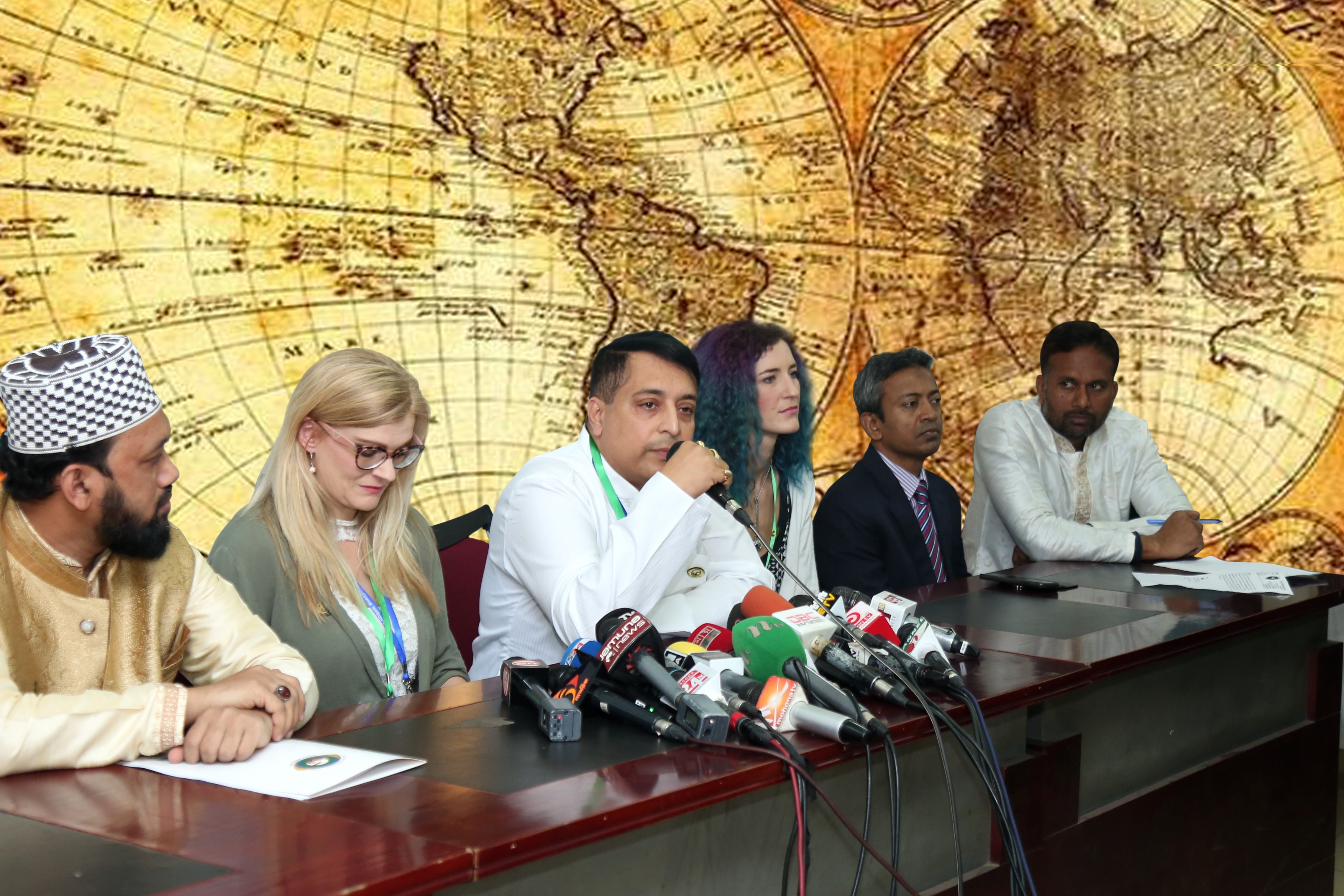
International engagement, diaspora leadership, Indian politics and election observation in Bangladesh—public work extending across institutions, nations and communities.
Across Nations · Continuing
International Engagement
Advancing institutional, civic, policy and business dialogue through international networks and cross-border initiatives. Explore International Engagement ↗Indian Diaspora · Worldwide
Diaspora Leadership
Serving the Indian diaspora through Upper Chambers and building institutional connections through the India–Canada Consortium. Visit Upper Chambers ↗India · National
Indian Politics & Public Affairs
Experience in Indian politics, political strategy, party organisation, public advocacy and democratic engagement. View Public Record →Bangladesh · 2018
International Election Observation
International election observation with the SAARC Human Rights Foundation, a Dhaka-based observer group, during Bangladesh’s December 2018 general election. Read Event Coverage ↗Inclusion & Belonging
Inspiring Inclusion. Building Belonging.
A commitment to wider participation in education, civic dialogue and cultural life—with respect for difference and the dignity of every person.
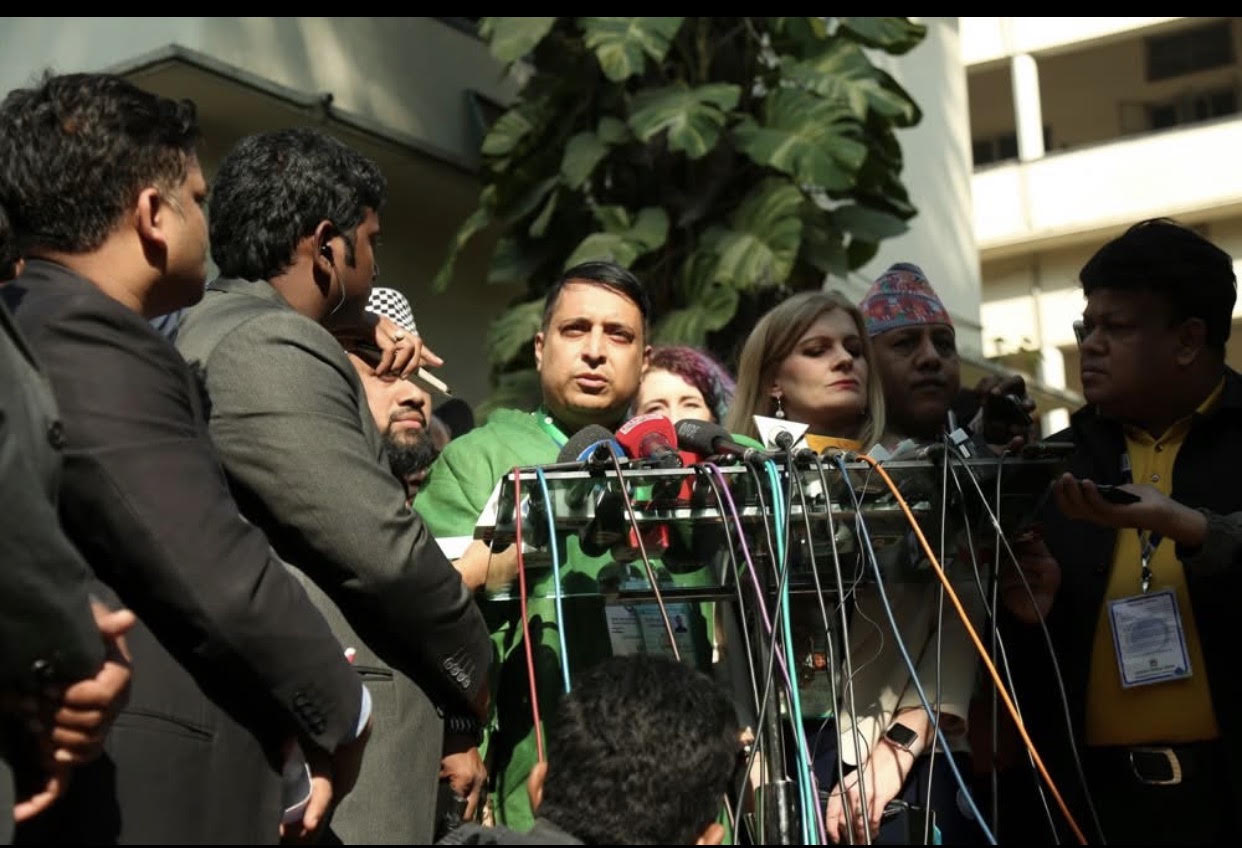
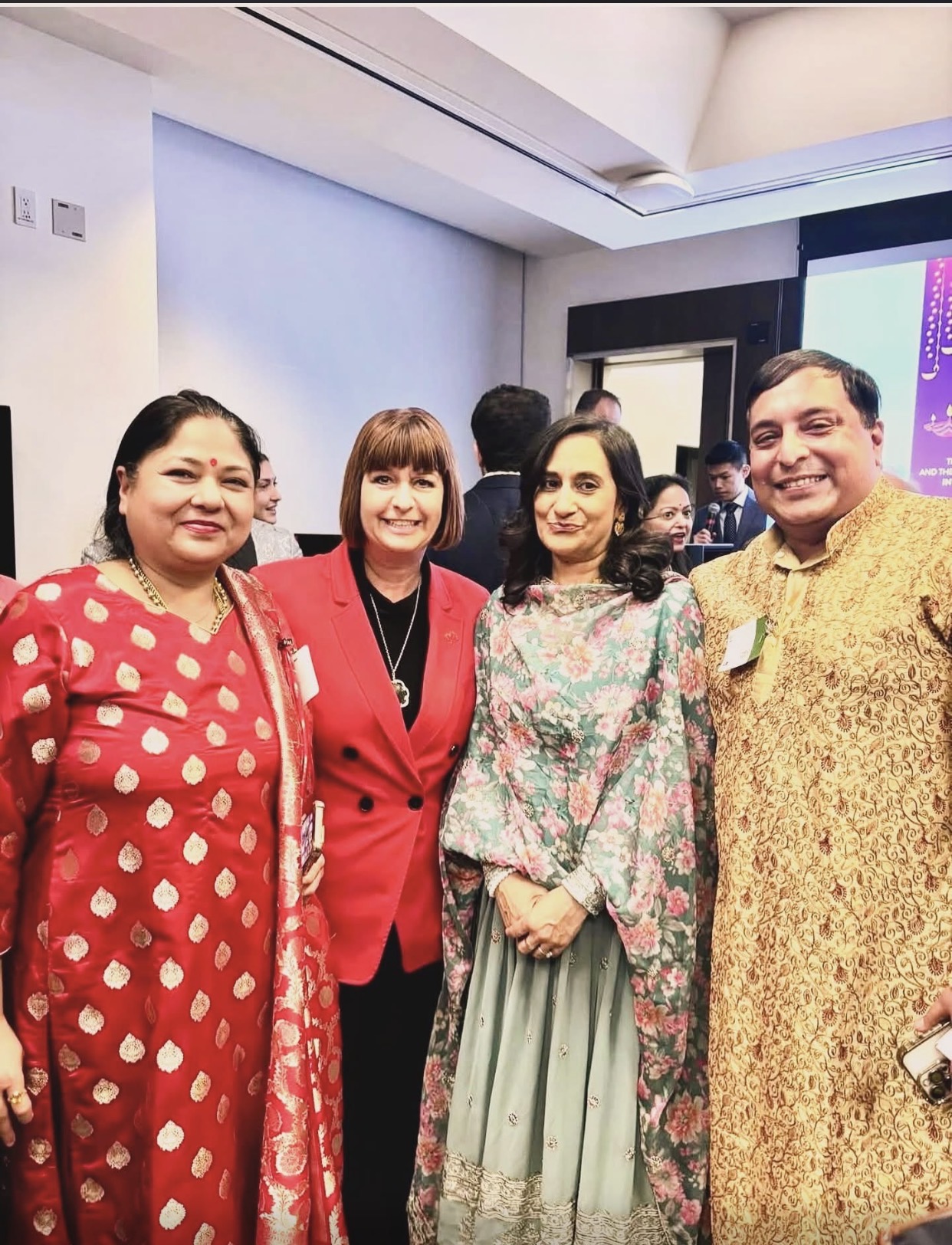
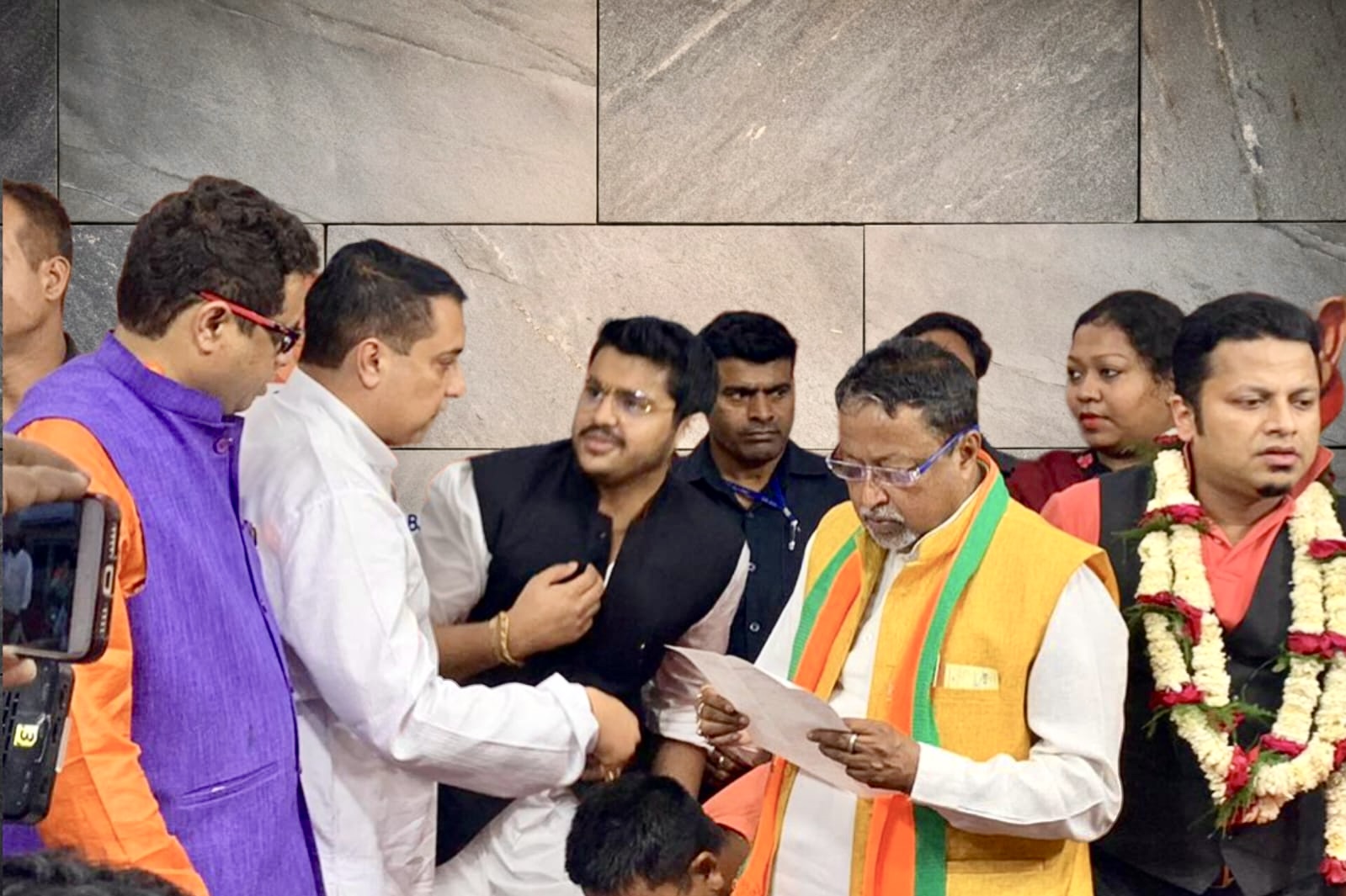
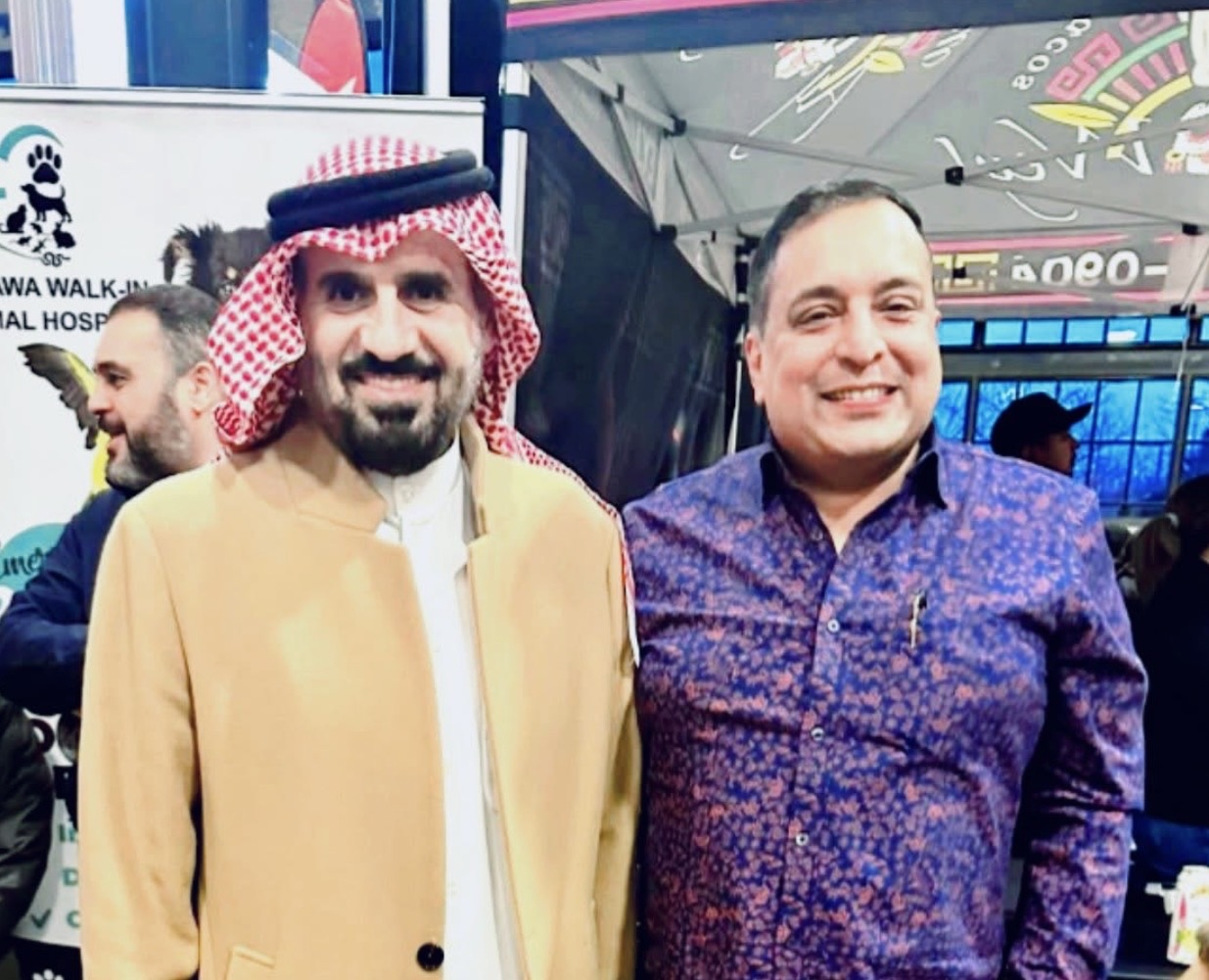
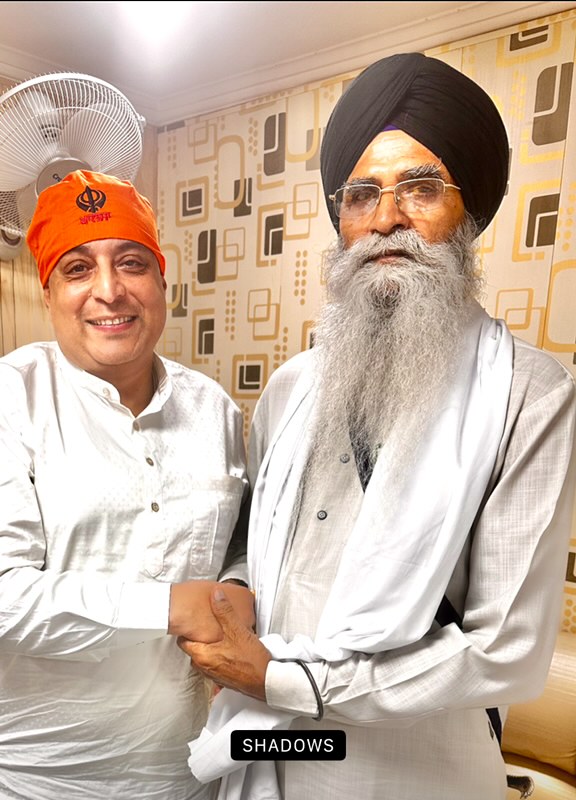
Moments
A visual record of public, professional and international engagement.
06 / Institutional Reach
Institutional Recognition.
International Reach.
Upper Chambers
International legal practice serving the Indian diaspora worldwide and supporting cross-border institutional work.
Visit institution ↗India–Canada Consortium
Dialogue connecting enterprise, institutions and communities.
Visit institution ↗World Multicultural Festival
Cultural exchange, inclusion and community participation.
Visit institution ↗Education & Charitable Work
Dr B.G. Memorial Trust
Supporting education, dignity and access to opportunity.
Community support
Dr Ghosh reports support for schools in West Bengal, Missionaries of Charity and education for blind and visually impaired learners.
Charitable activities are described from information supplied by Dr Ghosh.07 / Public Record
Reported. Referenced.
On the Record.
Reporting, wire syndication and opinion are identified by source and publication date.
Wire report on Dr. Ghosh’s political move in West Bengal
Syndicated coverage of the same development
Report with background on Dr. Ghosh’s earlier political work
Report on the SAARC Human Rights Foundation’s observer mission; some observers regretted taking part, while Dr. Ghosh stood by his initial assessment
Election observers report orderly and participatory polling
Profile of the author’s work on policing and public trust
08 / Global Scholarly Footprint
Scholarship with a documented reach.
Explore the book’s place in university reading lists, library collections and published research—with direct links to the underlying records.
Explore the academic record ↗Includes LL.M. Criminal Law, criminology, forensic science and public administration curricula.
08 / Public Desk
The continuing
conversation.
Follow current commentary, speeches and public interventions through the official platforms.
WATCH & EXPLORE
View YouTube Channel
Latest Videos
Watch the latest conversations, insights and updates.
Loading latest videos...
09 / CONTACT
Contact Dr Ghosh
Please use the form below for professional correspondence.
Privacy notice
When you use this form we collect the details you enter (name, email, phone number if provided, subject and message) to review and respond to your enquiry. We do not sell or publish this information. Messages are kept only as long as needed to respond and maintain correspondence records. To ask about or request deletion of your information, email contact@drgautamghosh.com.